
 PostGIS
 Mobile
 QGIS
QGIS MapBender
 GeoServer
 GeoNode
 GeoNetwork
 Novella
 Solutions










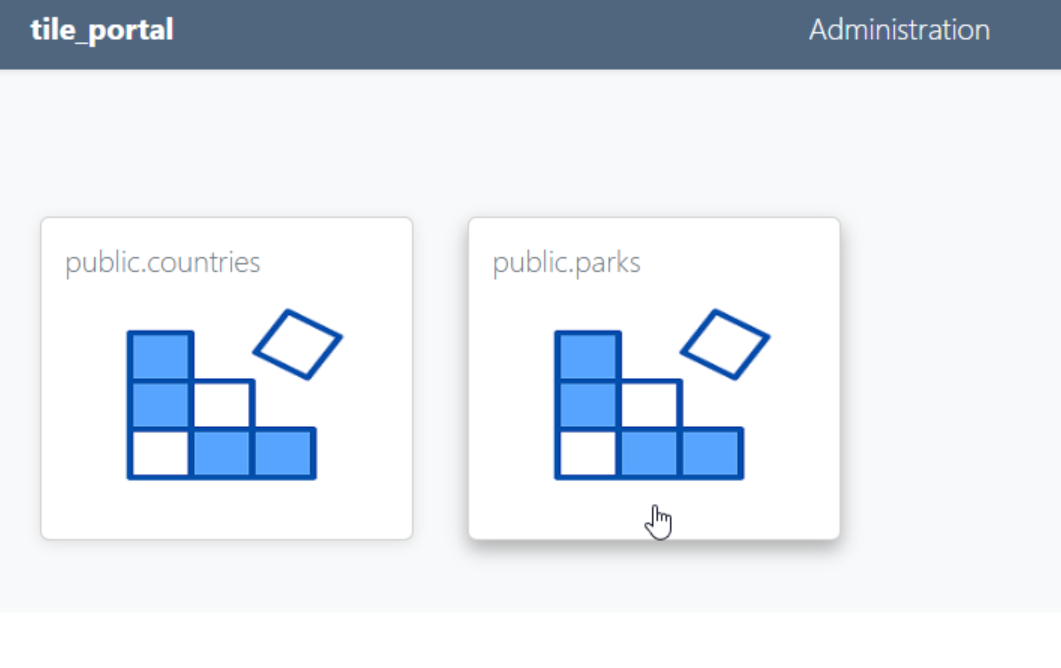
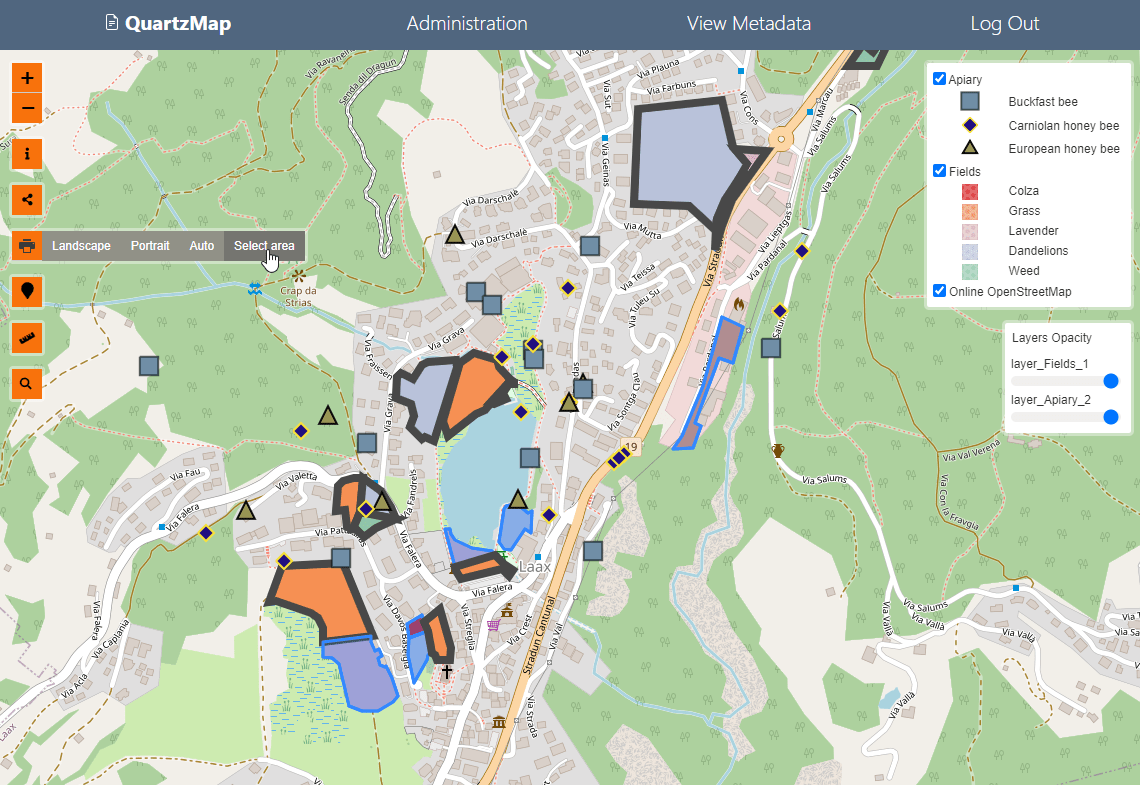
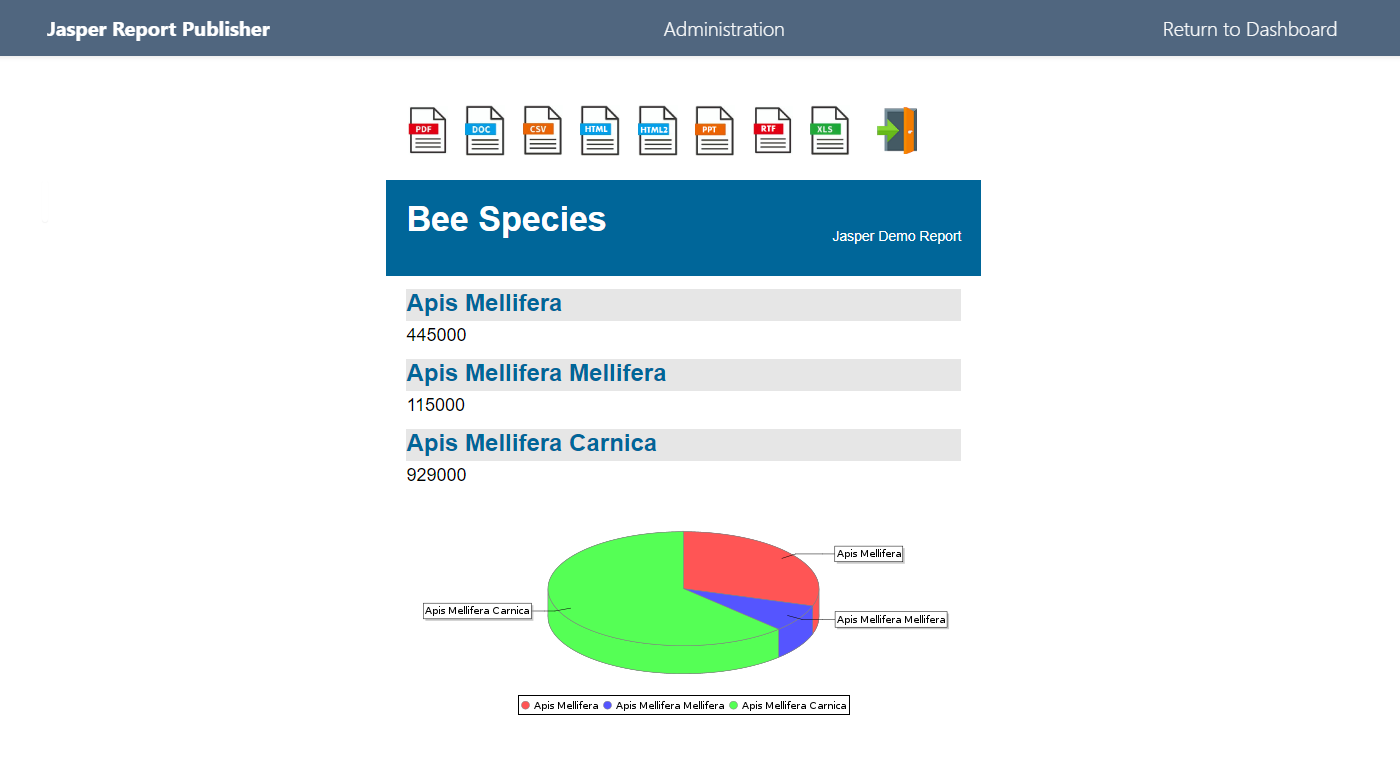

1.6 KiB
1.6 KiB
Analysis Tools
Aurora GIS provides a comprehensive suite of spatial analysis tools for vector and raster data.
Overview
Analysis tools are organized into categories:
- Proximity Analysis: Buffer, nearest neighbor, distance calculations
- Overlay Operations: Intersect, union, erase, join operations
- Spatial Analysis: Hot spots, outliers, KDE, clustering
- Raster Analysis: Zonal statistics, raster operations
- Feature Analysis: Summarization and aggregation
Vector Analysis Tools
:maxdepth: 2

hotspot
outliers
kde
clustering
buffer
nearest
intersect
join
dissolve
erase
clip
summarize
Raster Analysis Tools
:maxdepth: 2

zonal-stats
raster-histogram
raster-summary
raster-profile
raster-conversion
raster-comparison
Running Analysis
Analysis tools can be run via:
- Web Interface: Use the analysis panels in the map viewer
- API: Make POST requests to analysis endpoints
- Batch Tools: Use the batch analysis interface
Background Processing
Most analysis operations run as background jobs:
- Analysis request creates a job in the queue
- Worker processes the job asynchronously
- Results are stored in a new dataset
- User is notified when complete
Output Formats
Analysis results can be stored as:
- Static Table: Permanent table with results
- View: Database view that updates with source data
- Materialized View: Materialized view requiring refresh